

The selection of an appropriate bug zapper for household use determines the effectiveness of pest control in your environment. Numerous bug zapper options require homeowners to consider device coverage area alongside safety features and energy efficiency when making their selection. This guide shows you how to select the best bug zapper that suits your requirements.
Understanding Bug Zappers
Electric insect killers known as bug zappers draw flying pests such as mosquitoes and flies and moths through their light-emitting mechanism. The insects reach the light source where they experience electrocution through the high-voltage grid. The latest bug zappers incorporate UV or LED light technologies which deliver better efficiency and longer product lifespan. These devices minimize insect numbers effectively within home spaces and outdoor areas which makes them a widespread choice among homeowners.
Key Factors to Consider
Coverage Area: The area which a bug zapper can protect determines its overall operational effectiveness. The coverage area of bedrooms or kitchens requires compact bug zappers with a capacity ranging from 500 to 1,000 square feet. Heavy-duty bug zappers designed to cover extensive areas like patios and backyards should be selected for these large spaces.
Type of Bug Zapper: The market provides bug zappers with two main configurations: plug-in models and handheld devices. Plug-in zappers function best for continuous stationary use while handheld zappers provide manual control for spot treatments because they are portable.
Safety Features: Models featuring protective grids installed to stop children and pets should be your top choice because these features prevent users from touching electrified elements. Advanced bug zappers contain safety features that automatically disable operation when someone tampers with them.
Energy Efficiency: LED lights in energy-efficient models operate with low power consumption to provide effective results. Such devices represent both economical operation and environmentally sustainable practices.
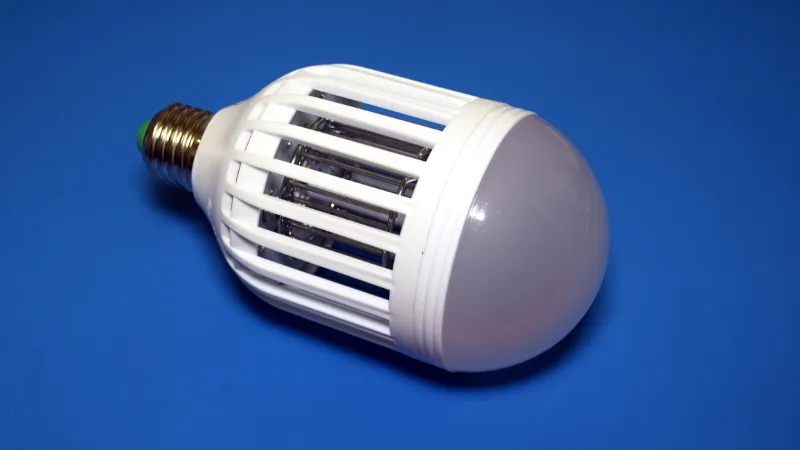
Durability and Weather Resistance: Bug zappers used outdoors need to be constructed from stainless steel or durable plastic because these materials provide excellent durability and weather resistance. The materials provide extended life expectancy and dependable operation across different climate situations.
Ease of Cleaning: The optimal performance of devices depends on how easy they are to clean. Choose zappers that have trays which you can remove to collect dead insects and components which allow easy cleaning.
Voltage and Power: The speed and efficiency of insect death in electrified grids depend on the voltage level. More powerful zappers operate at higher voltages yet require greater energy usage.
Balancing Cost and Features
The selection of an insect zapper demands careful consideration between price point and product features and longevity. The initial investment for high-quality bug zappers leads to better long-term benefits by using less power and requiring less maintenance.
Top Recommendations
The Stinger Electronic Bug Zapper operates effectively in small indoor areas because of its plug-in compact design. For large outdoor areas, heavy-duty options such as the Flowtron MC9000 Residential Bug Fighter offer extensive coverage and robust performance. The ZAP IT! Rechargeable Bug Zapper Racket exists as a portable handheld device. The ZAP IT! Rechargeable Bug Zapper Racket provides outdoor flexibility for users.
Conclusion
The selection process for a bug zapper requires you to determine your requirements based on the size of your space together with safety prerequisites and financial capacity. Assessing coverage area and energy efficiency and maintenance convenience will help you discover devices which eliminate pests from your home and provide extended durability. A properly selected bug zapper serves both comfort purposes and contributes to environmental health by effectively managing flying insects.